
BBC News Features SAADAAL: Shaqodoon's AI-Powered Early Warning System Protecting Somali Farmers From Climate Disasters
A Somali-Built AI System on the Global Stage
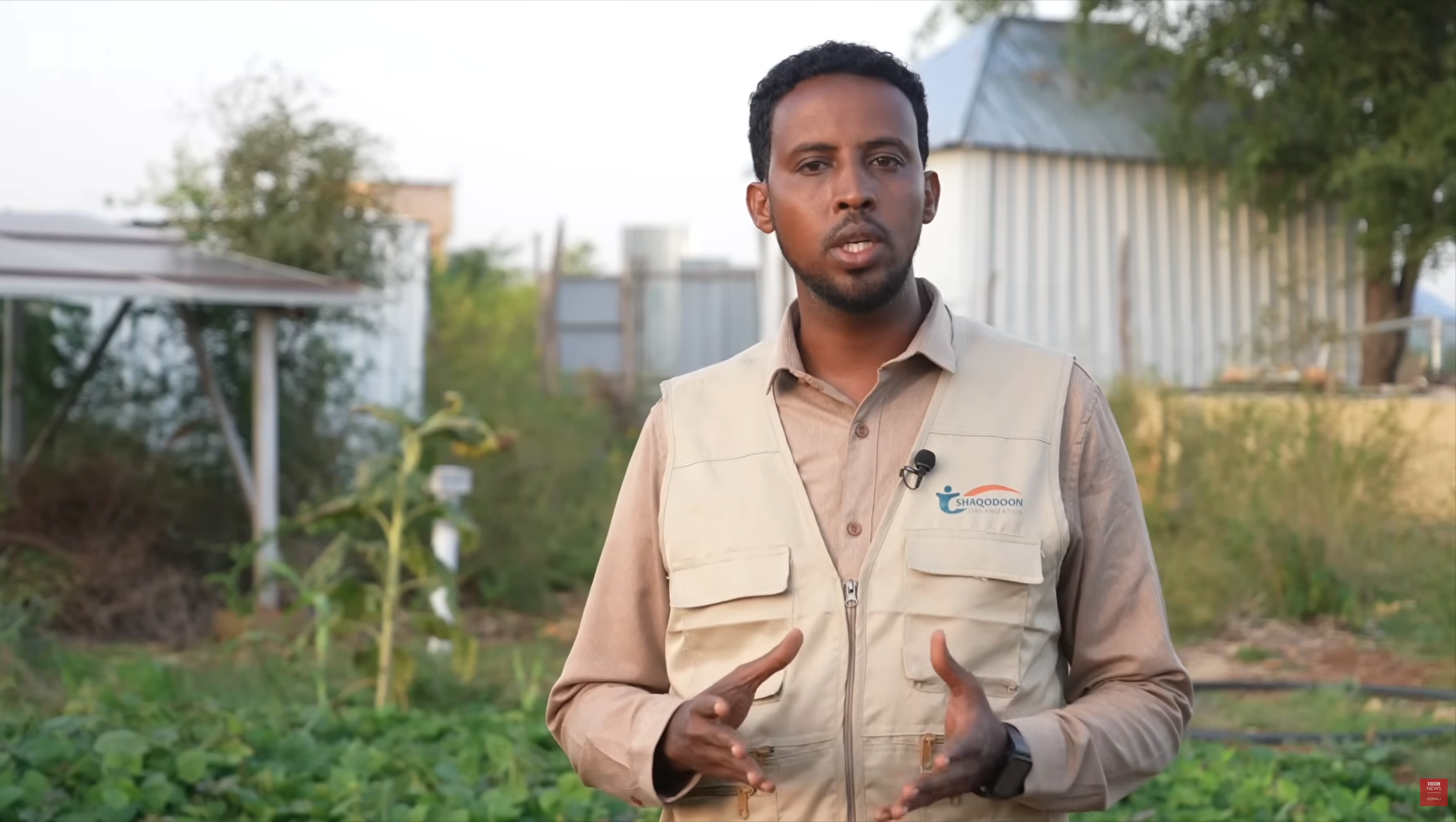
Shaqodoon Organization is proud to announce that SAADAAL, an AI-powered Early Warning System built in-house and deployed in partnership with the Ministry of Humanitarian Affairs and Disaster Management of Southwest State, has been featured on BBC News.
The feature, reported and produced by Mohamud Abdiaziz, tells a story that does not often make it out of Somalia. Most international coverage of the country focuses on conflict. SAADAAL is part of a different and growing story, one in which Somalia is making real strides in the technology sector and where local organizations are building the tools their own communities need.
What SAADAAL Does
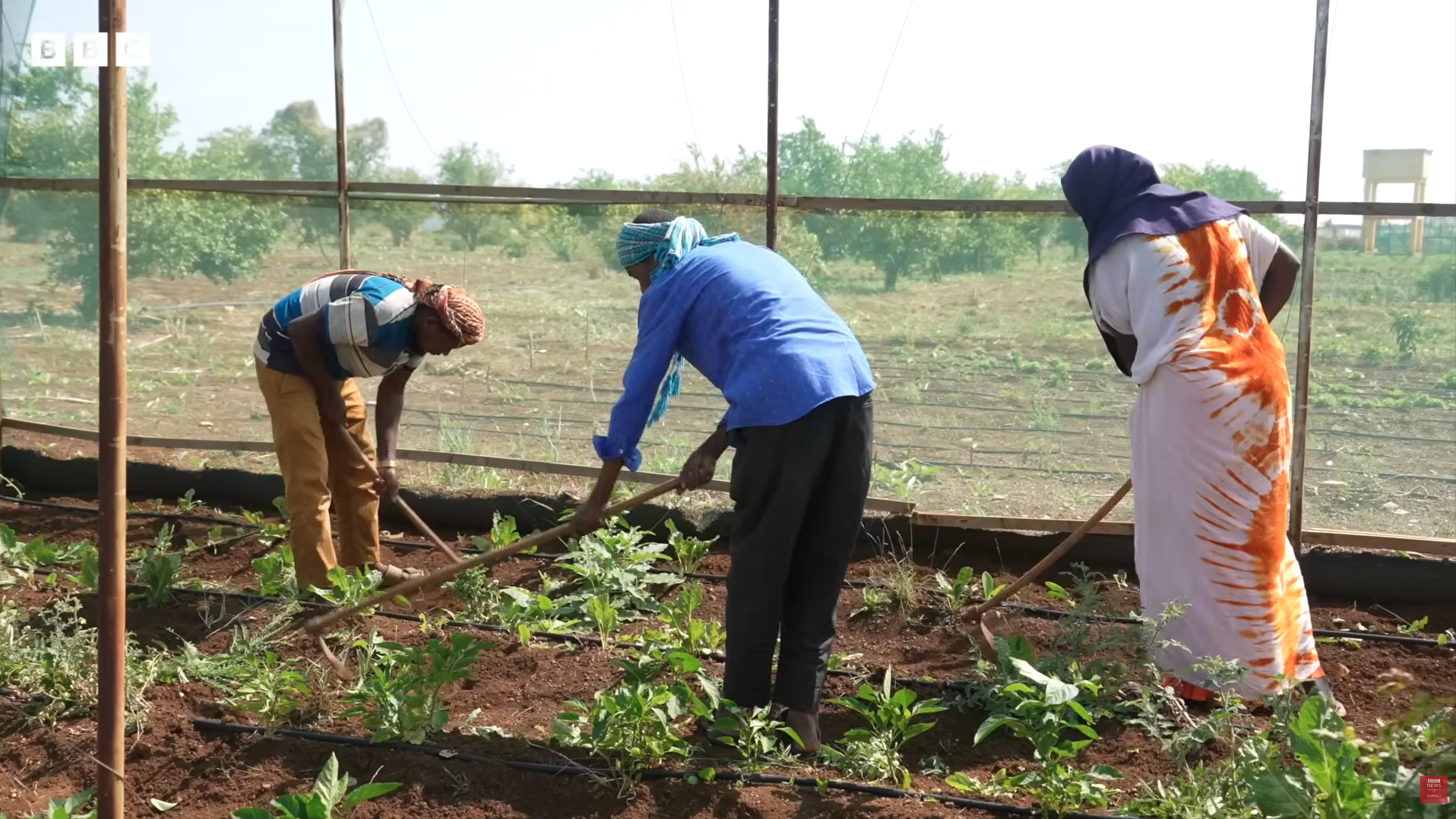
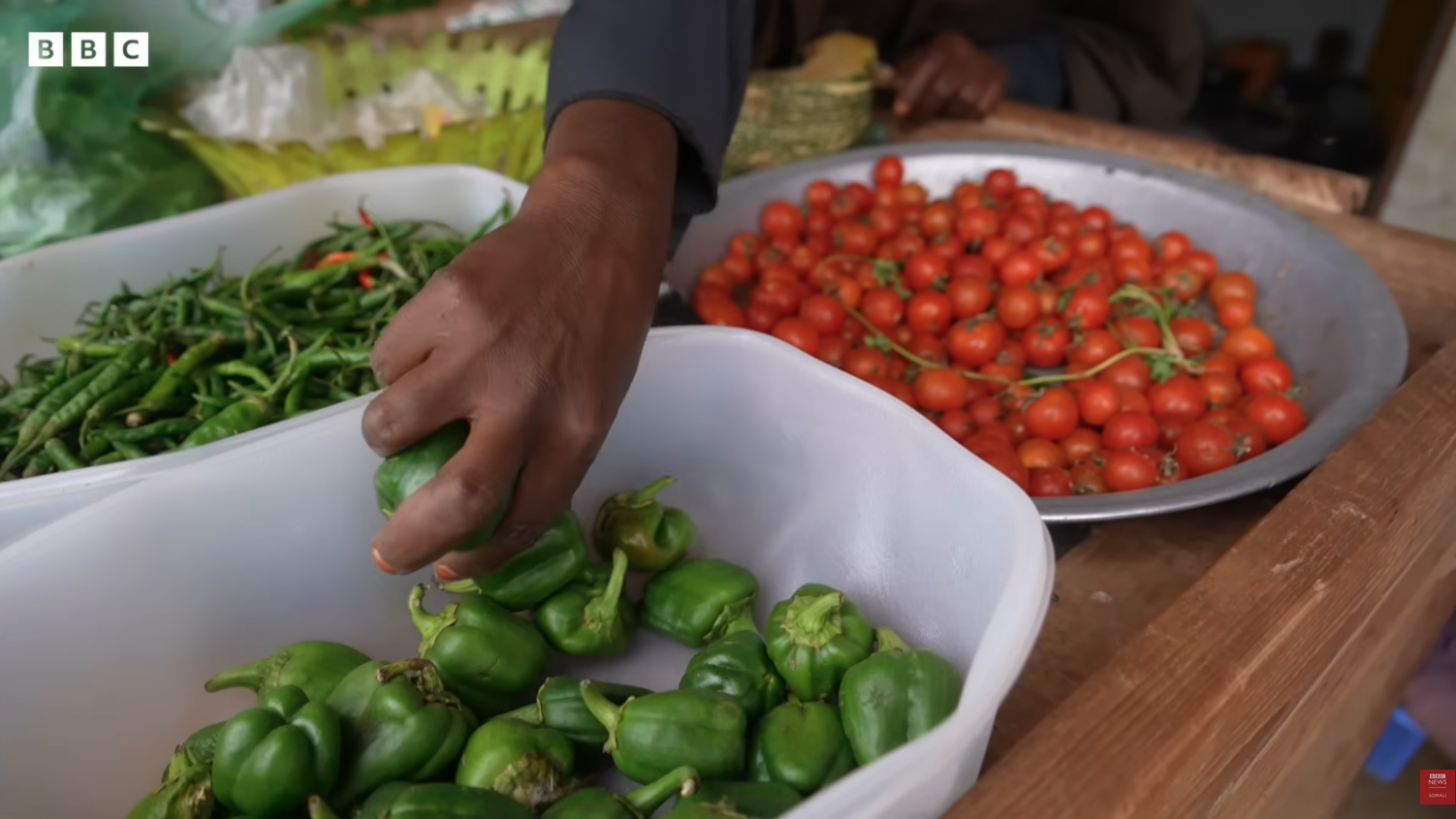
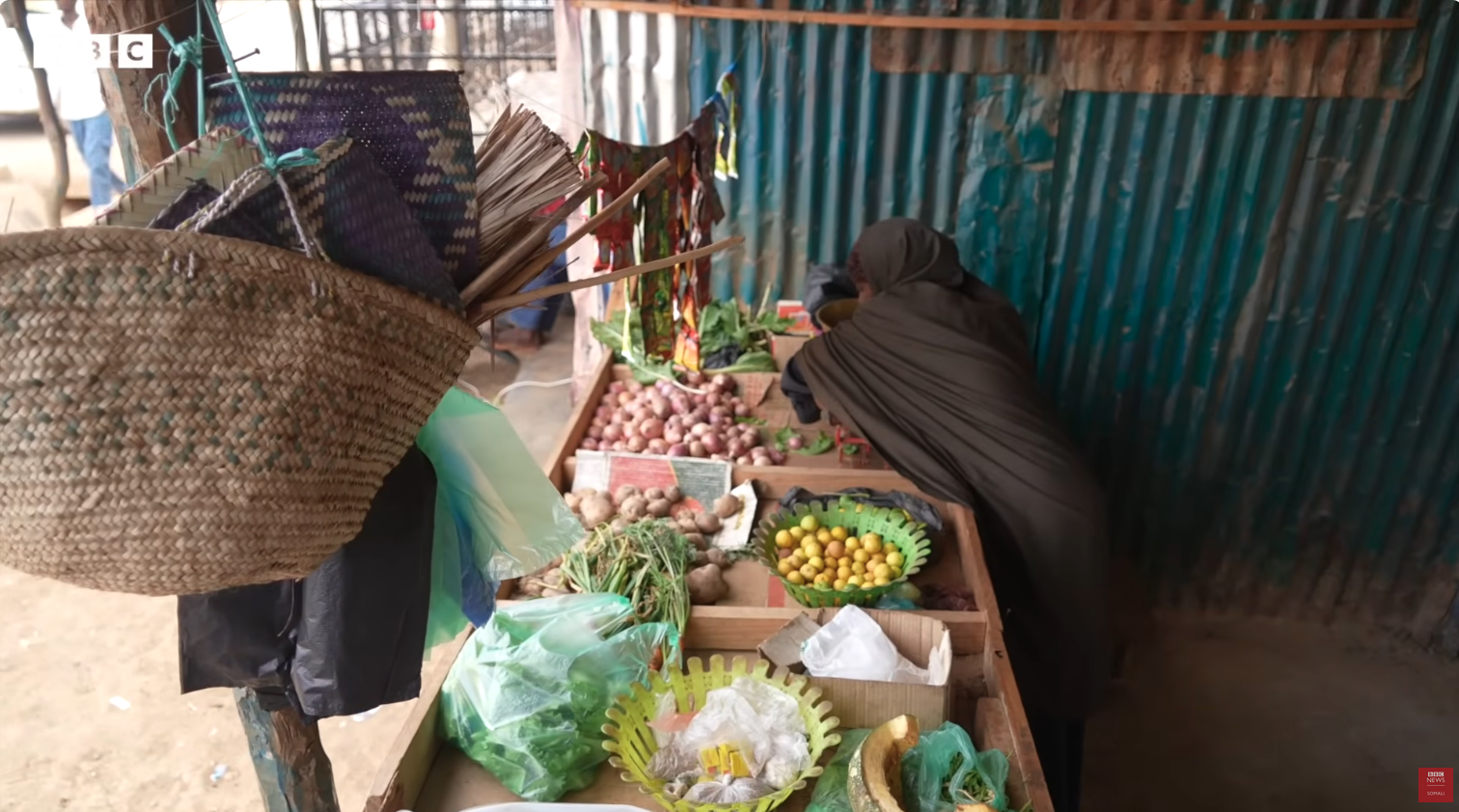
Communities across Somalia have faced extreme droughts and devastating floods in recent years, putting lives and livelihoods at risk. Small-scale farmers, who depend directly on rainfall patterns and seasonal cycles, are among the most exposed.
SAADAAL was built to give them a head start.
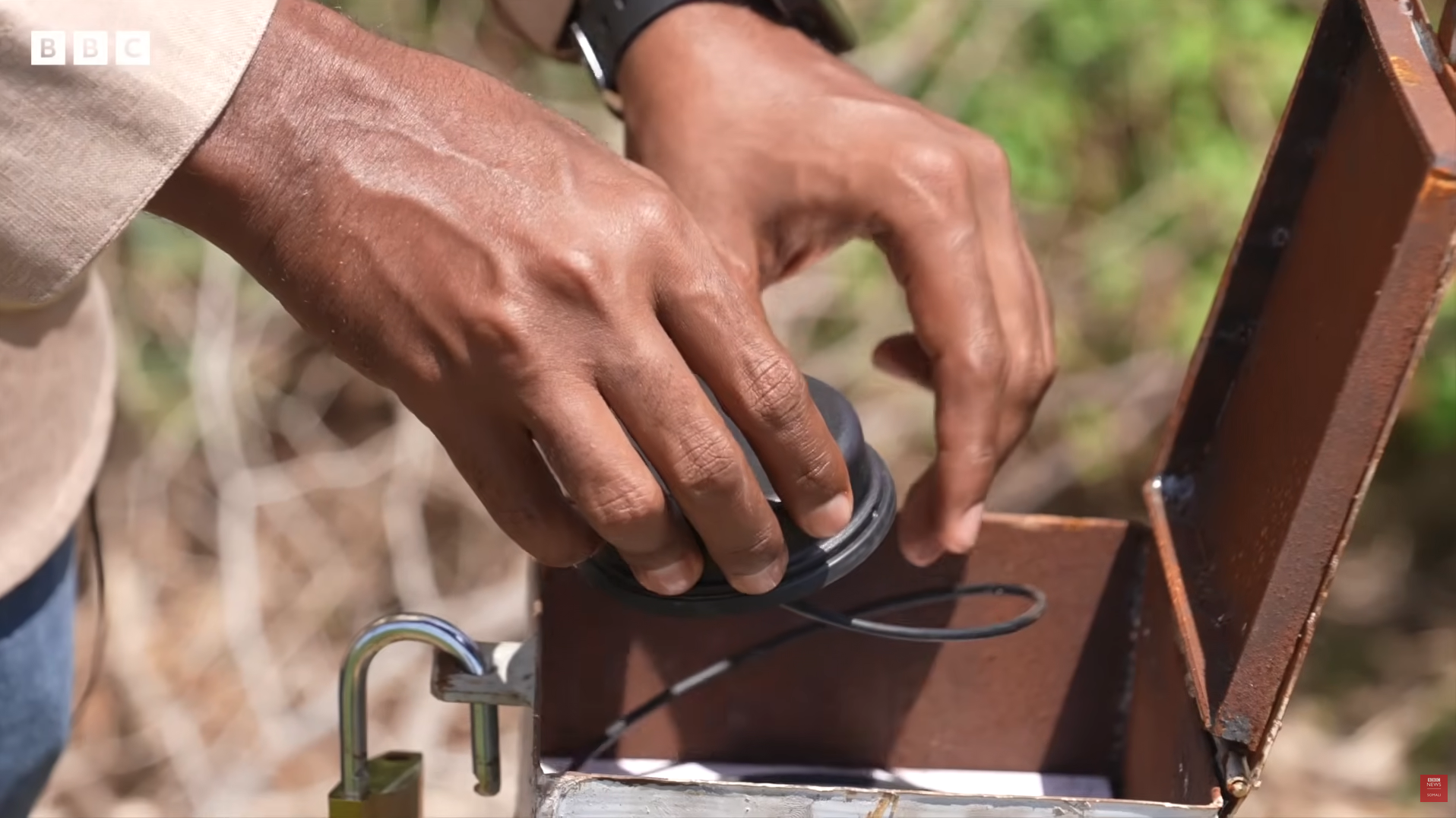
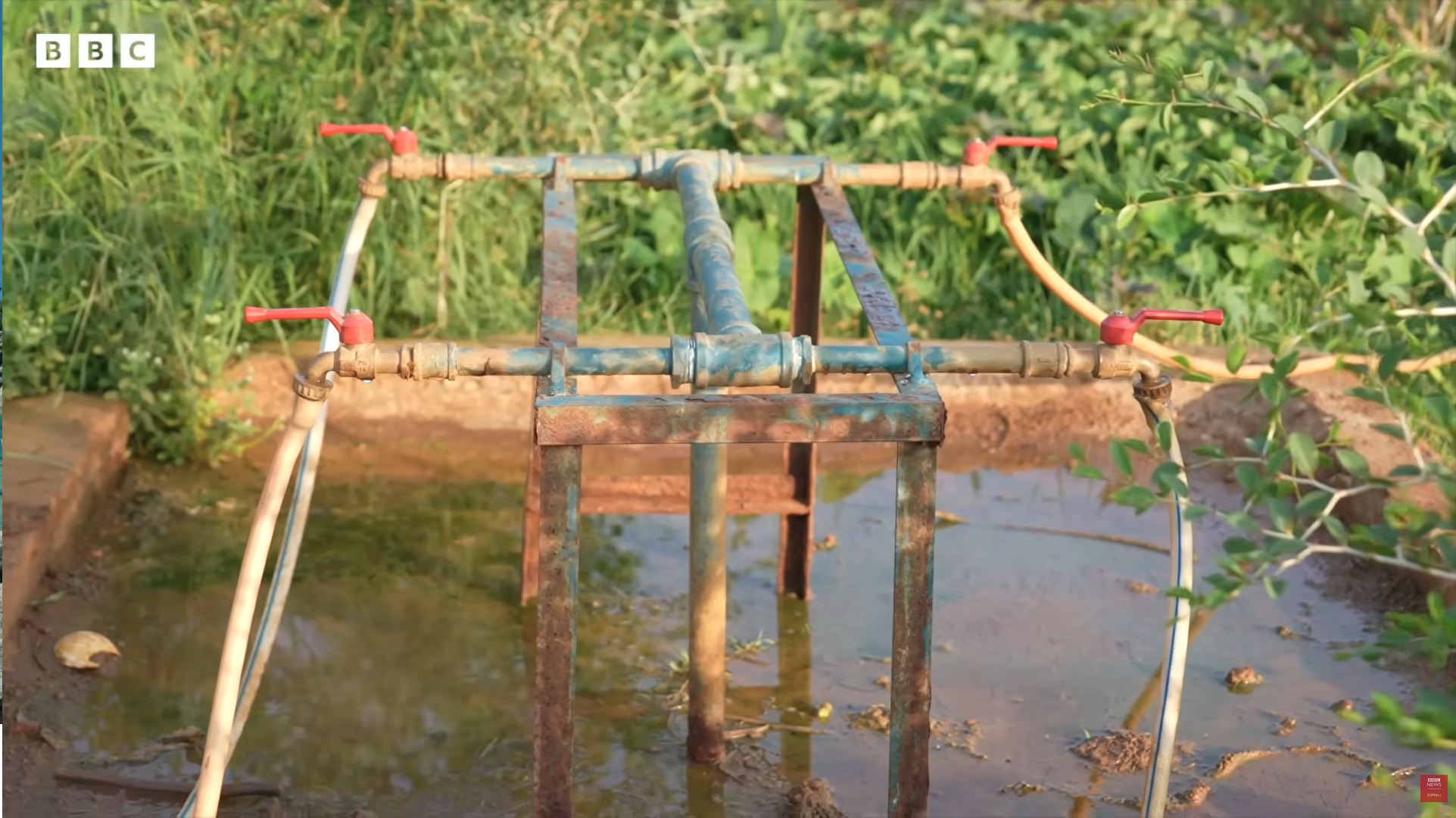
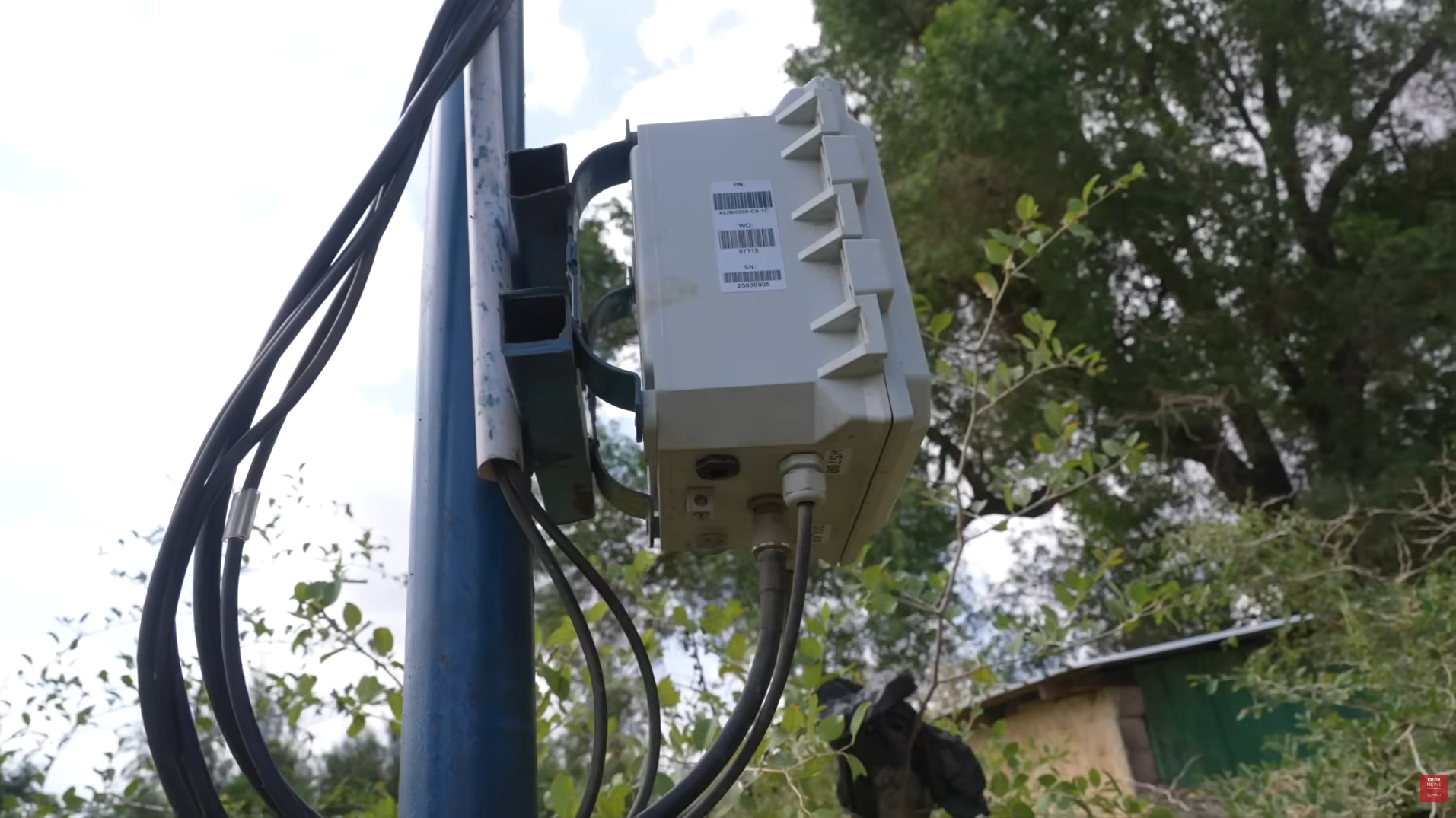
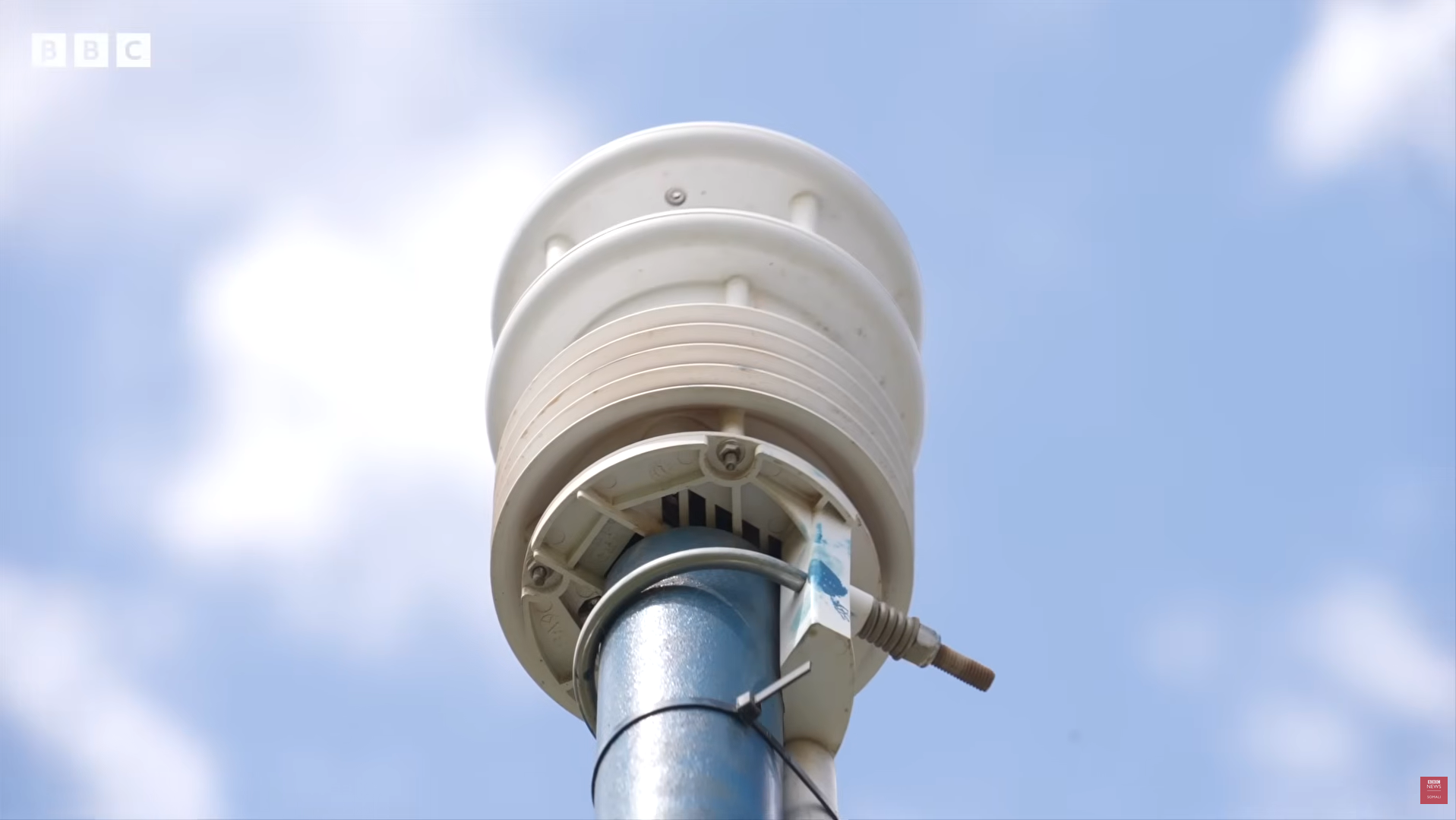
The system monitors environmental and climate data and uses artificial intelligence to detect early signals of natural events, including droughts and floods, before they hit. That early signal is what makes the difference between a community caught off guard and a community that has time to prepare. For a small-scale farmer, those weeks of warning can determine whether a season produces income or loss, whether livestock survives, whether a household has to migrate.
This is what the BBC feature highlighted: technology empowering rural Somalia, turning innovation into resilience.
Built in Somalia, for Somalia
SAADAAL is not a product imported from elsewhere and adapted. It was designed and built by Shaqodoon Organization, by Somali engineers solving a problem they understand from the ground up. It was developed for and deployed with the Ministry of Humanitarian Affairs and Disaster Management of Southwest State, which uses it as part of its disaster preparedness infrastructure.
That origin story matters. Climate adaptation tools that work in the Horn of Africa need to reflect how the region's climate, agriculture, and humanitarian systems actually function. SAADAAL was built inside that context, not retrofitted to it.
The Partnership Behind the System
SAADAAL was made possible through two layered partnerships.
The system is supported by the Somali Resilience Program (SomReP), led by World Vision Somalia, which provides the resilience programming infrastructure that connects early warning data to community-level response.
It is also supported by the AART Project, funded by Denmark in Somalia and led by CARESOM, which has helped resource the development and deployment of the technology itself.
Together, these partnerships allow a single Somali-built system to combine three things that rarely sit together: government ownership through the Ministry, programmatic delivery through SomReP and World Vision, and dedicated investment in technology and innovation through AART, Denmark, and CARESOM.
Why This Coverage Matters
Recognition from BBC News is meaningful for more than visibility. It signals to the international development community, to potential partners, and to other Somali organizations that AI-powered tools built locally can meet the bar of global reporting. It pushes back on the narrative that humanitarian innovation is something delivered to Somalia from elsewhere.
It is also a credit to the Ministry of Humanitarian Affairs and Disaster Management of Southwest State, which has been a consistent partner in deploying SAADAAL into real disaster preparedness workflows rather than leaving it as a pilot.
What Comes Next
For Shaqodoon, the BBC feature is a milestone, not a finish line. The team is continuing to refine SAADAAL's data inputs, expand its coverage, and explore how the model can support communities beyond Southwest State. The longer-term ambition is straightforward: every Somali community living on the front line of climate change should have access to early warning that gives them time to act.
A heartfelt thank you to all the partners and donors who made this possible, and to the Ministry of Humanitarian Affairs and Disaster Management for their continuous support. The recognition belongs to all of them.