
Shaqodoon Hosts Human-Centered Design Training for 20 Humanitarian Professionals from 10 Somali CSOs
Designing With Communities, Not For Them
The humanitarian sector in the Horn of Africa is facing problems that traditional response models were not built to solve. Climate shocks are layered on top of displacement. Funding is tightening. Communities are increasingly asking to be partners in the work, not recipients of it.
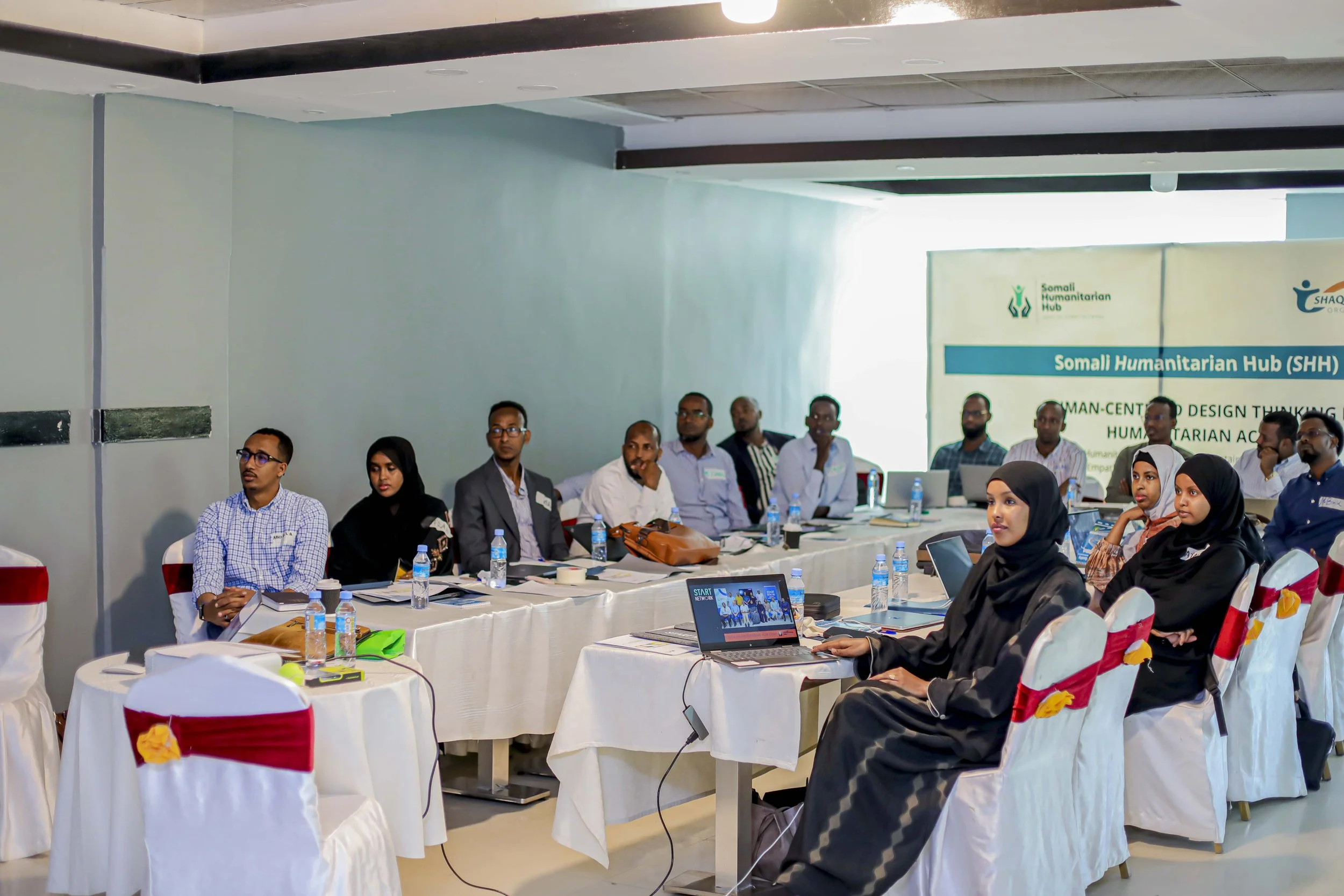
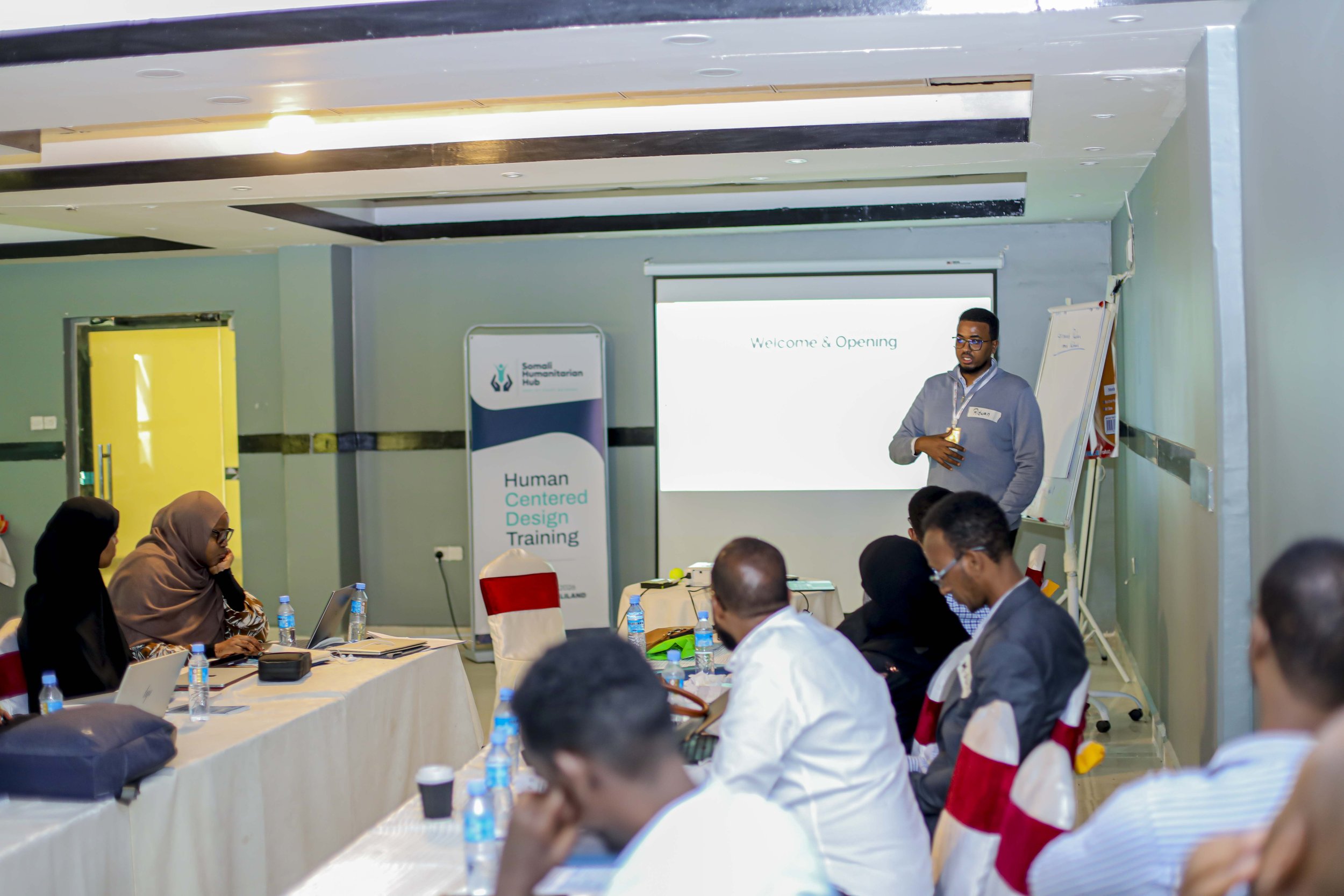
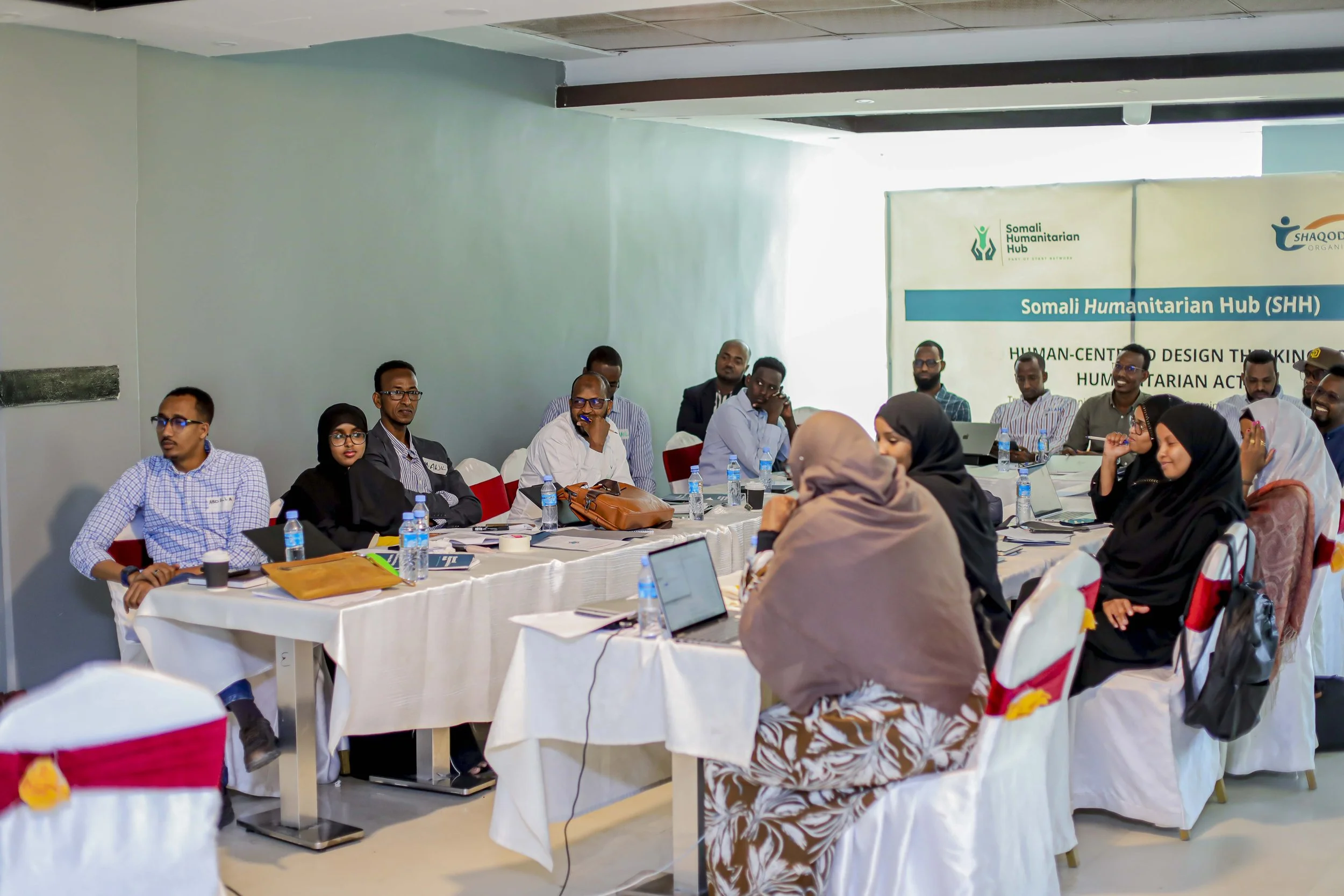
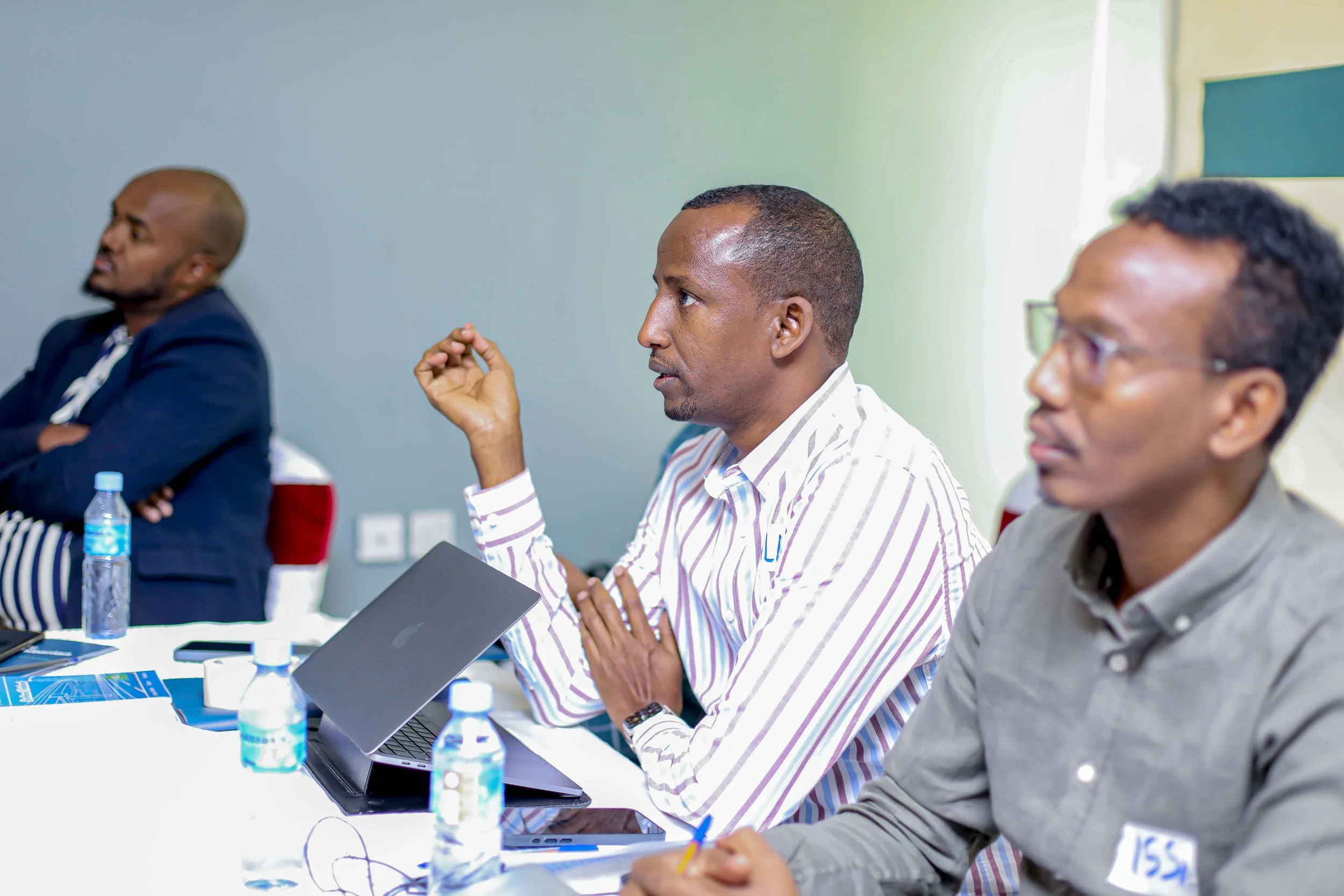
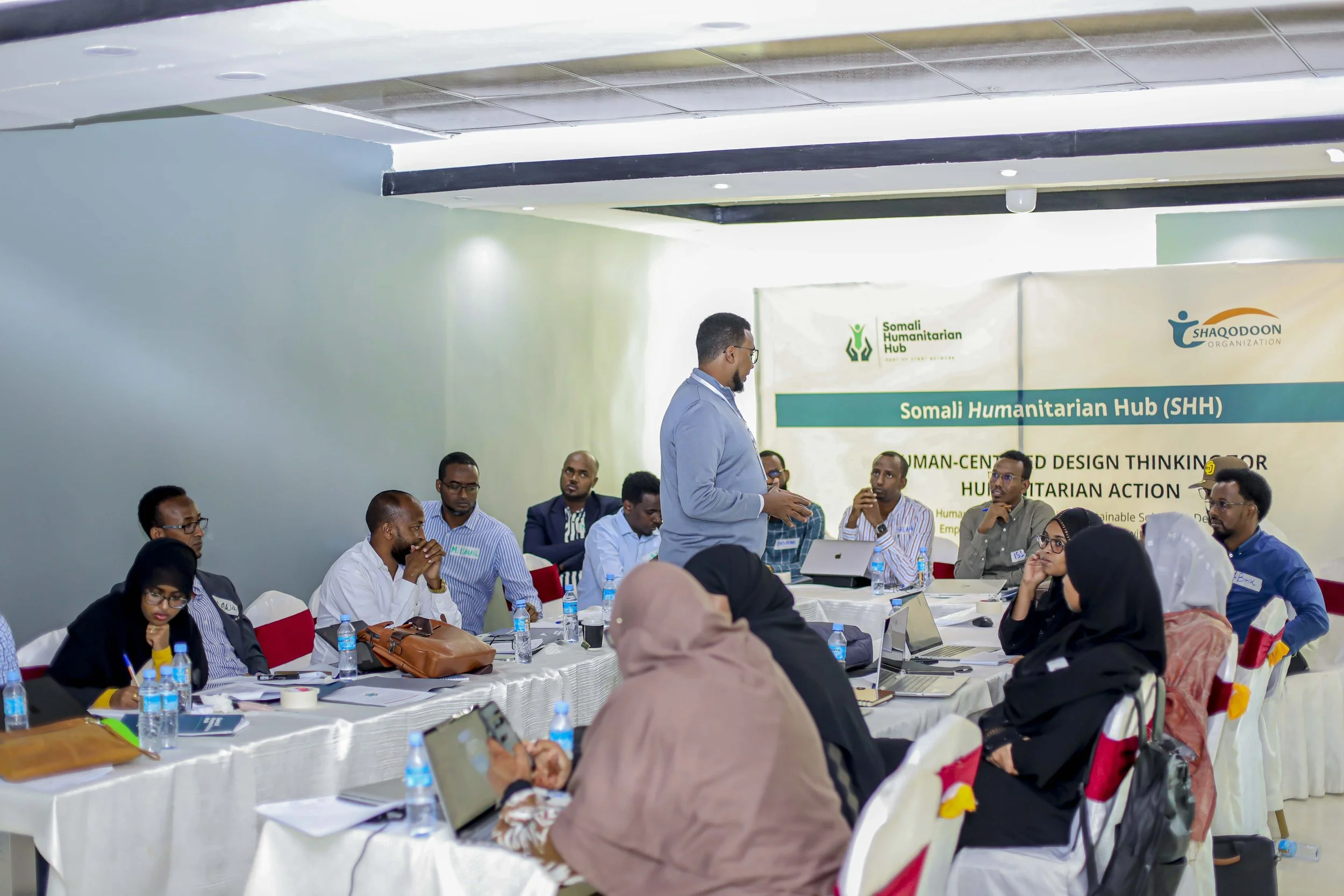
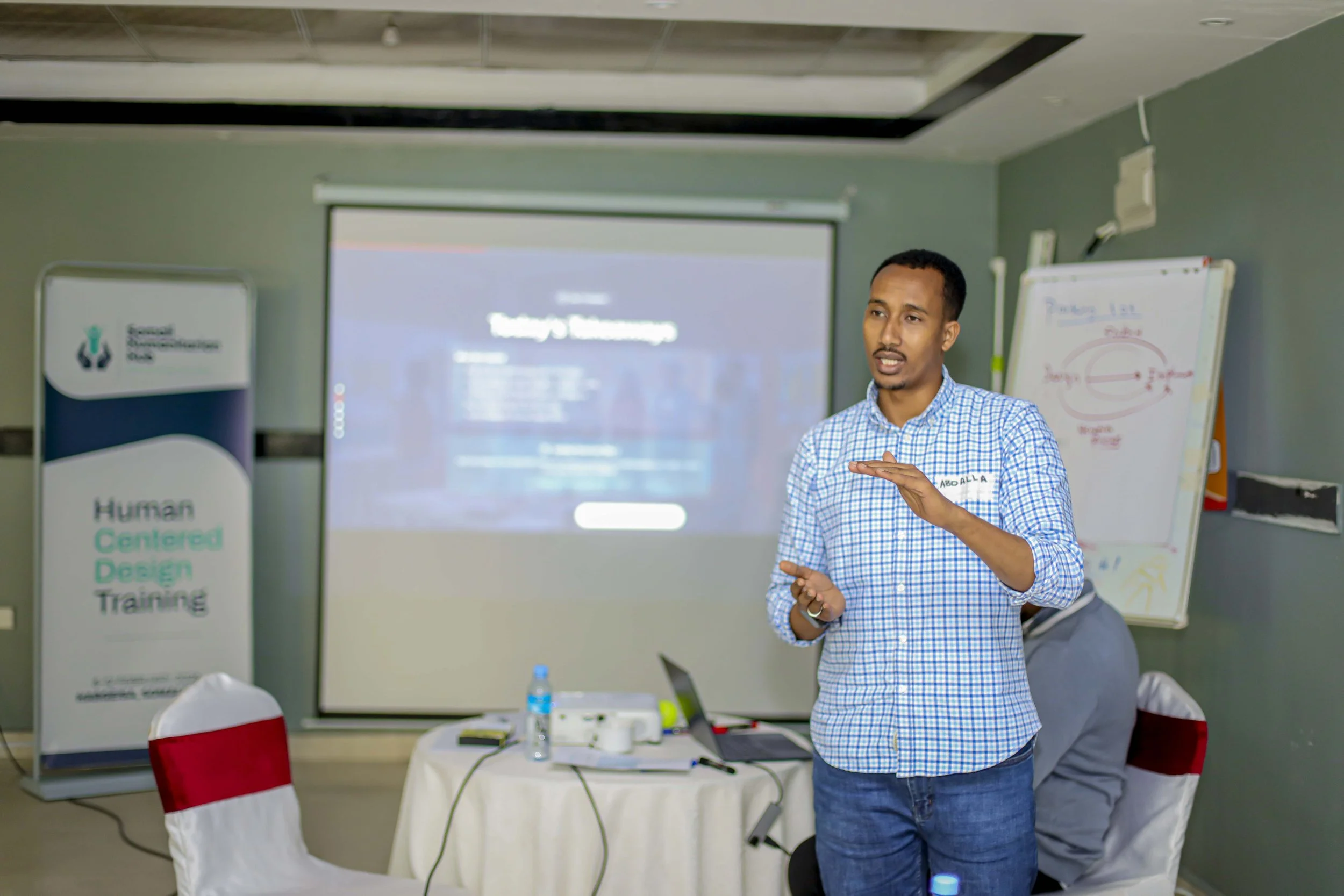
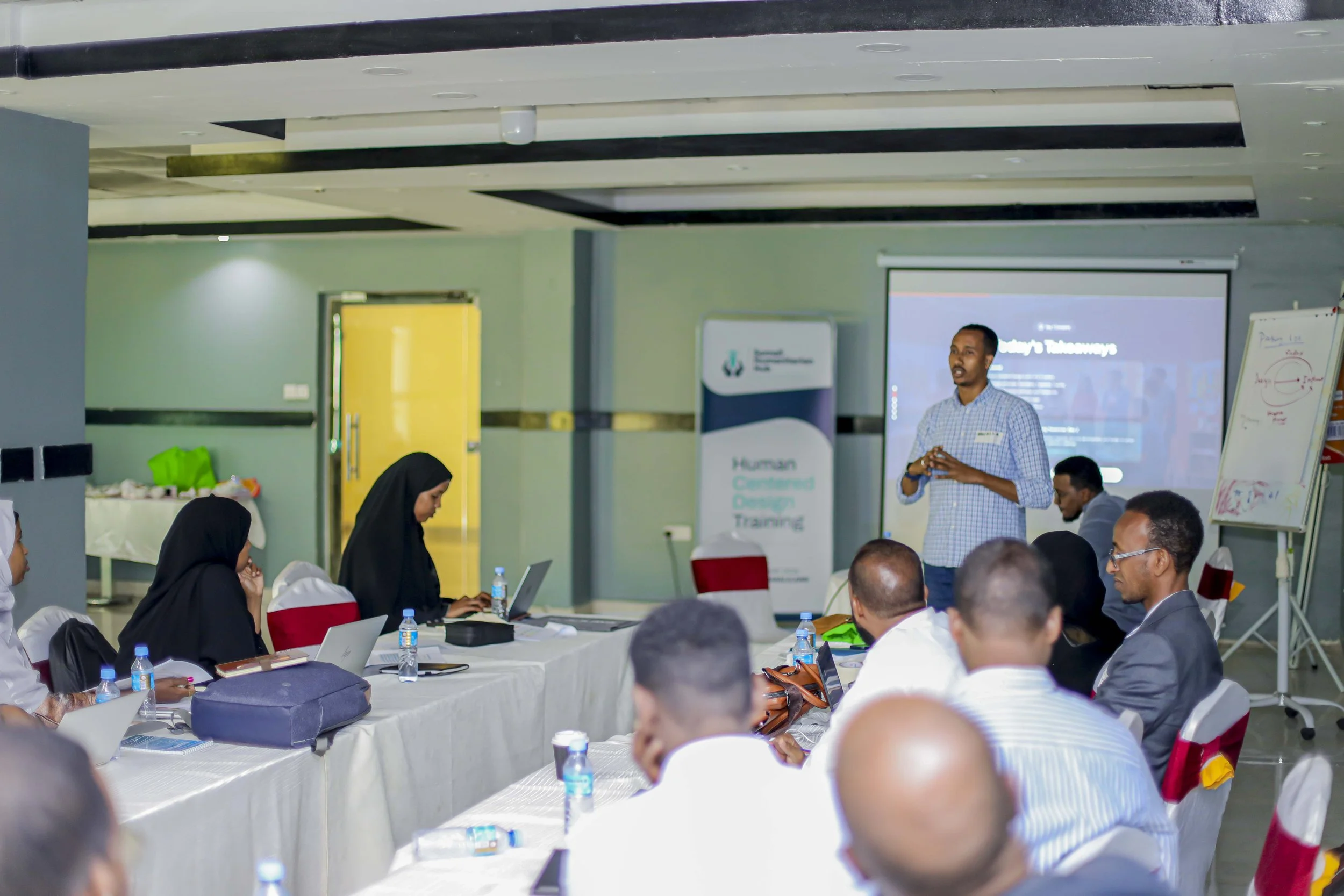
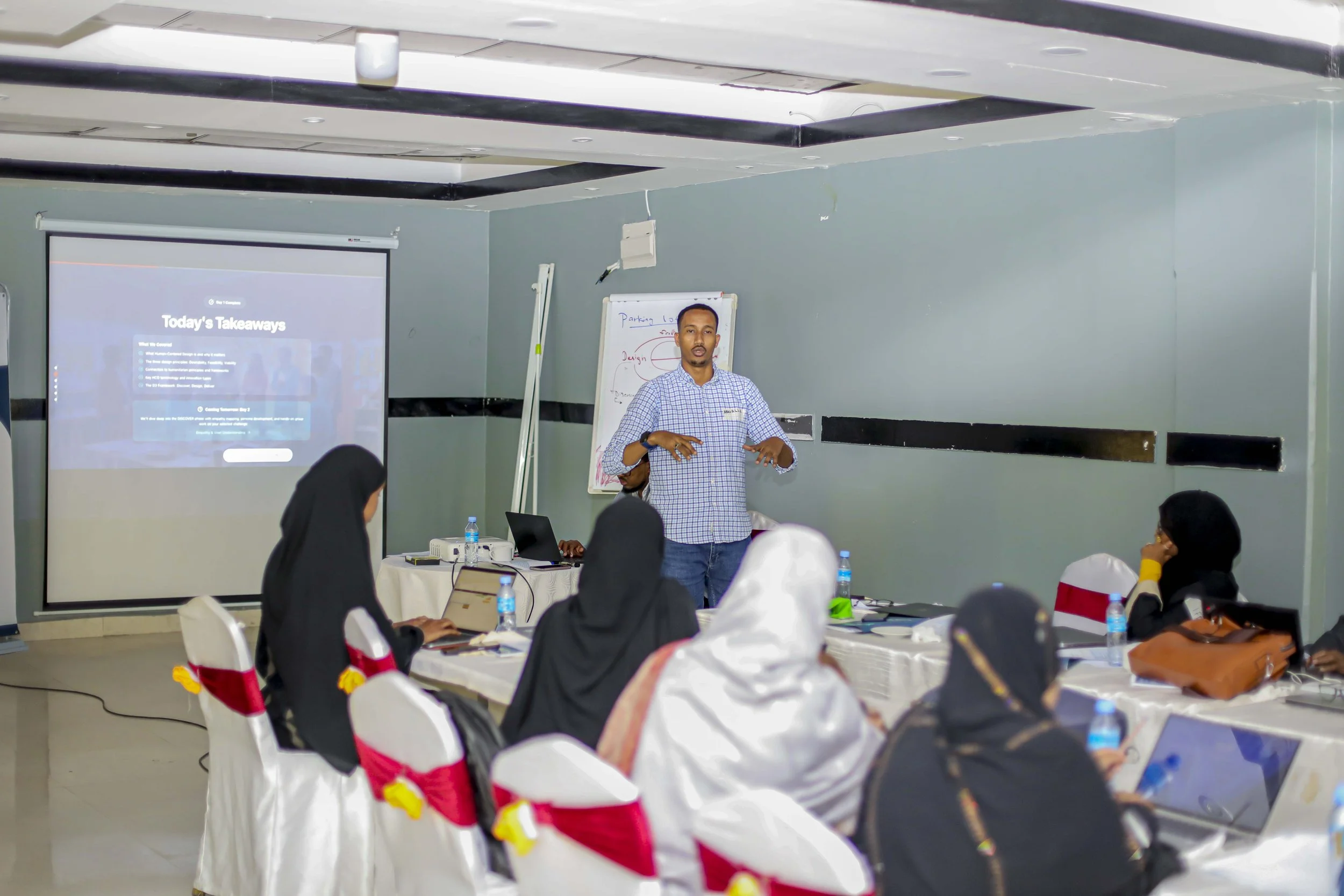
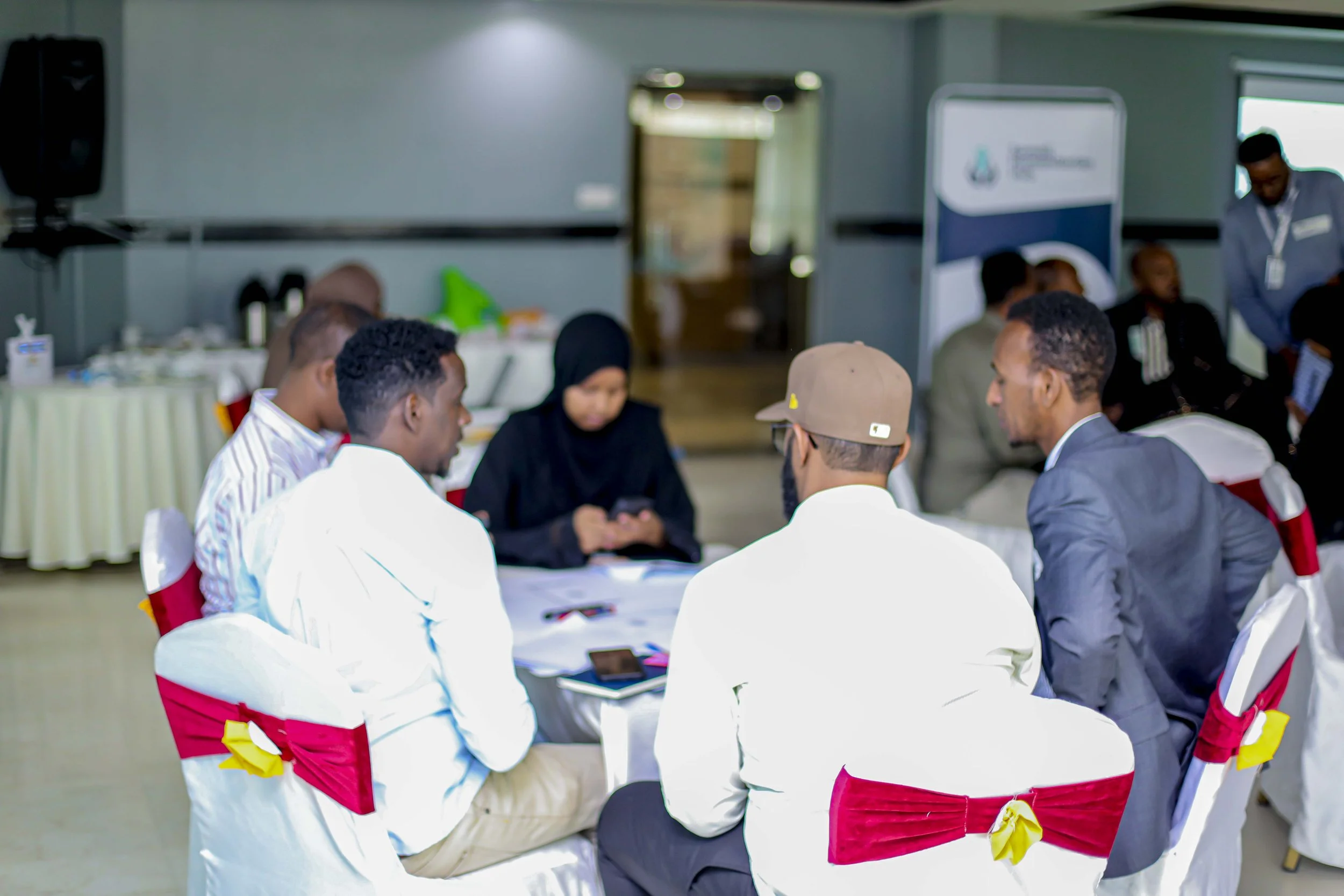
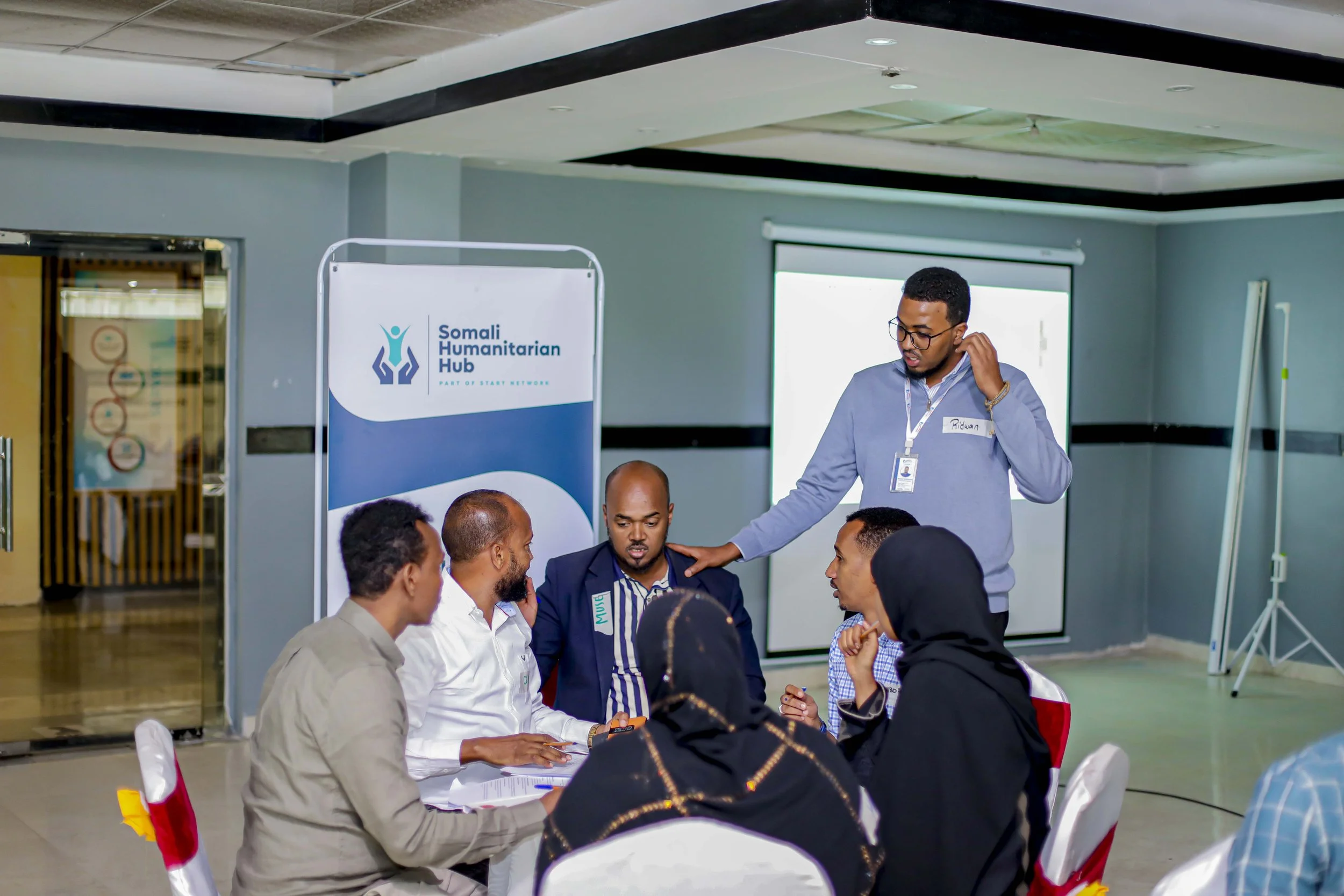
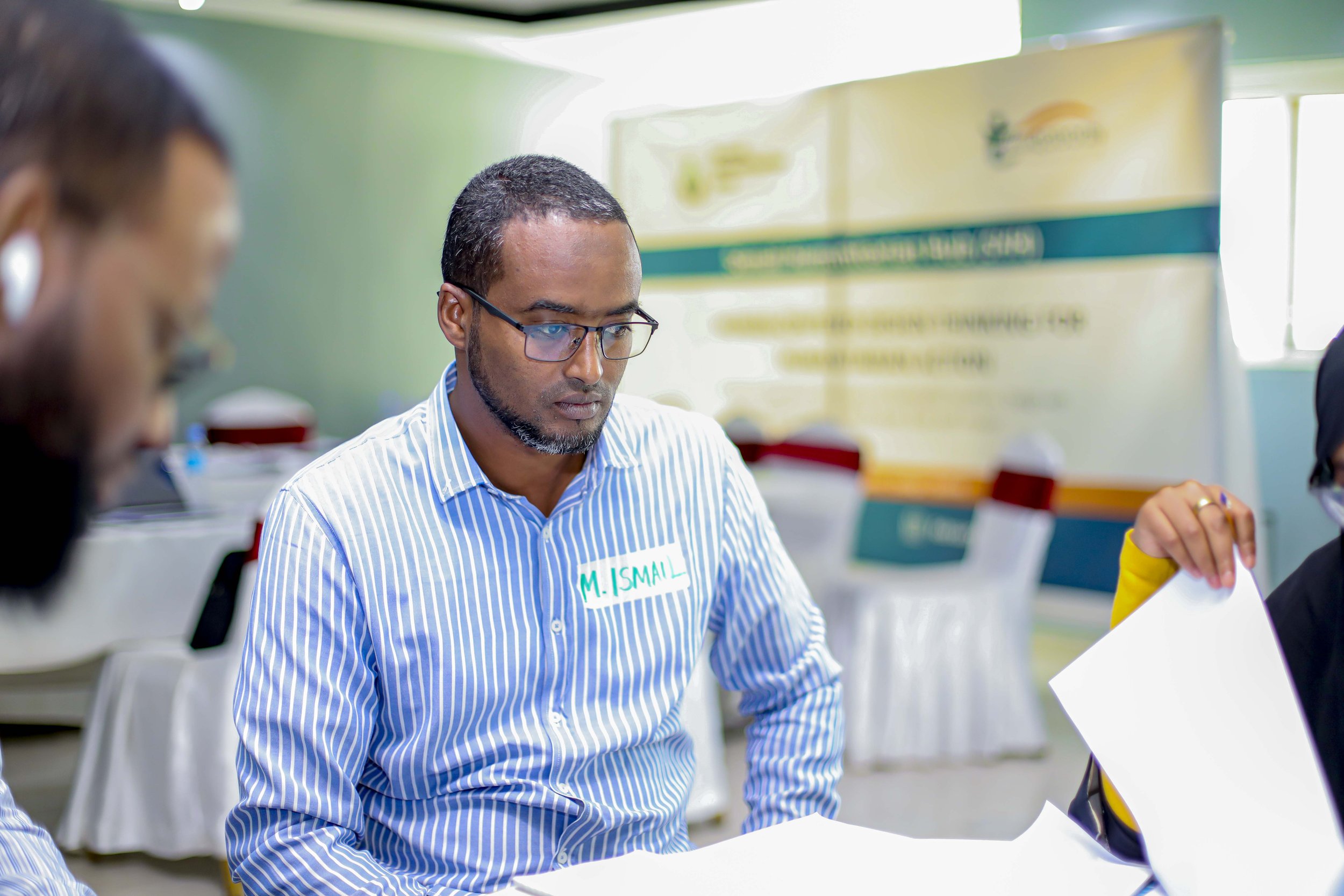
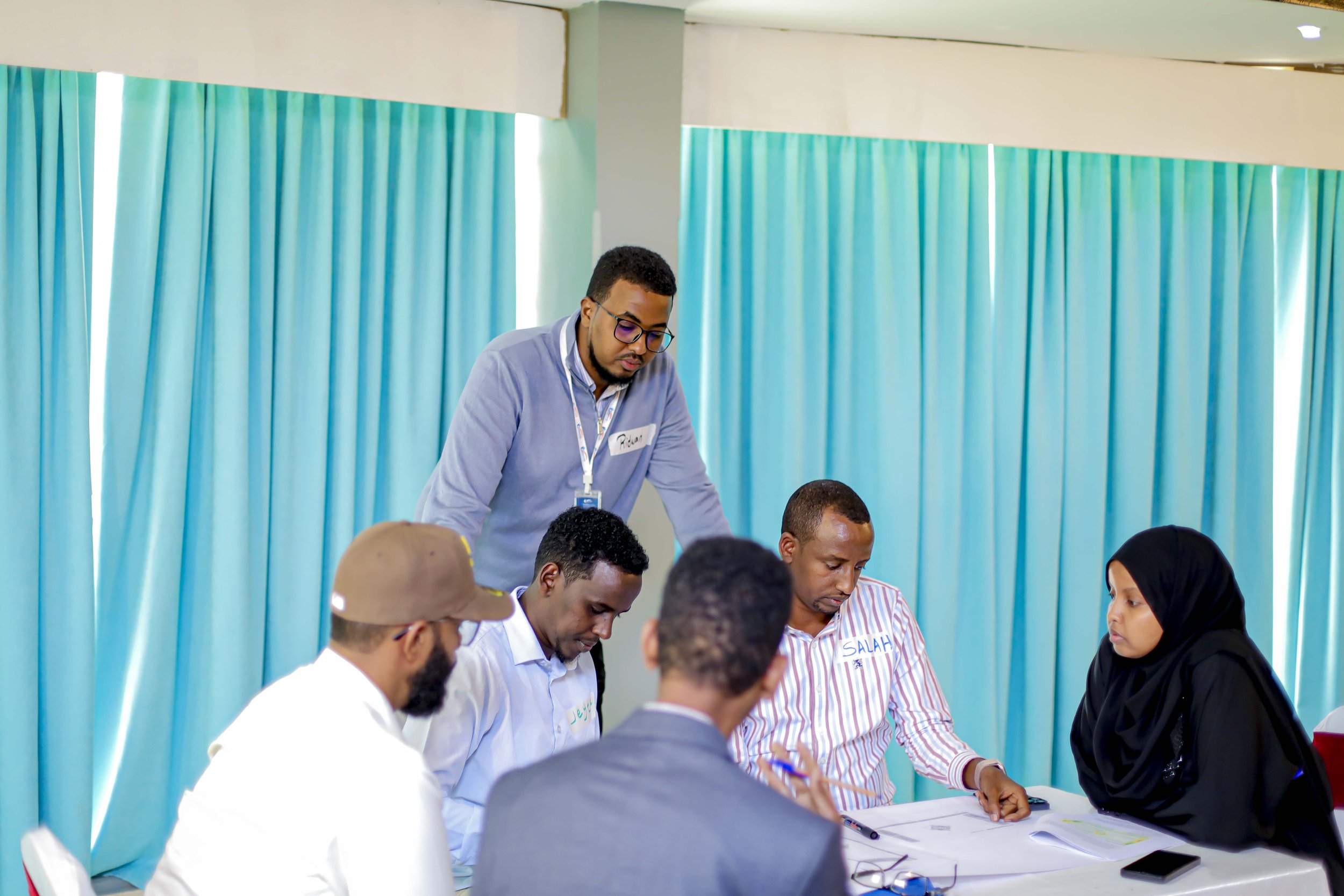
That is the gap Shaqodoon Organization set out to address last week, hosting a four-day Human-Centered Design Thinking Training in Hargeisa in partnership with the Somali Humanitarian Hub (SHH) of Start Network. The training brought together 20 humanitarian professionals from 10 Civil Society Organizations working across Somalia and Somaliland, all members of the Somali Humanitarian Hub.
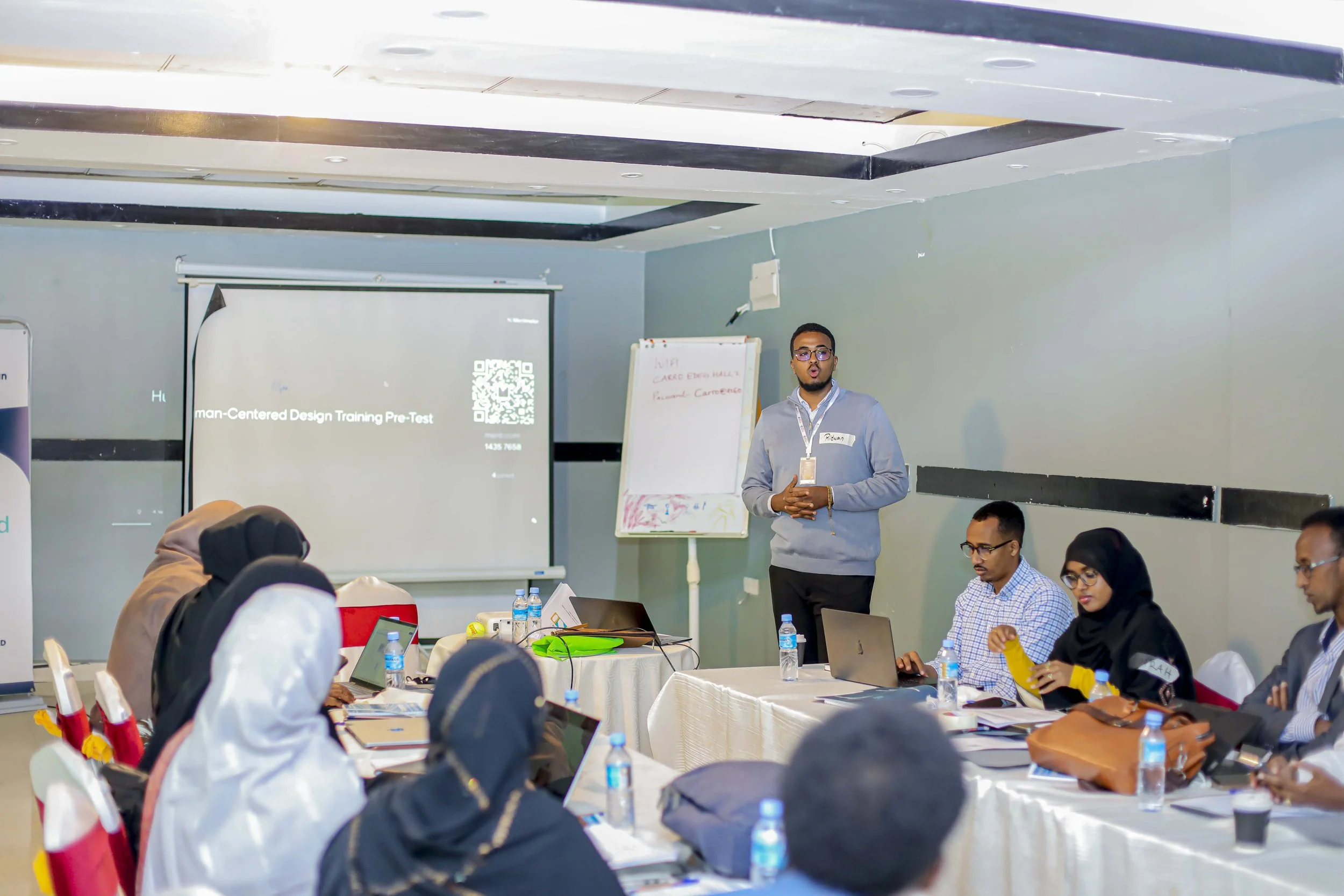
The premise was direct. If humanitarian programming is going to keep up with the complexity of the challenges Somali communities are facing, the people designing those programmes need a different toolkit. Human-Centered Design offers exactly that.
What Participants Worked Through
Over the four days, participants moved through the full D3 Framework, Discover, Design, Deliver, applied to real humanitarian challenges currently affecting Somali communities. The methodology equips organizations to:
Deeply understand community needs through structured empathy work rather than assumption-driven design.
Co-create solutions with affected populations, not for them, shifting the relationship between humanitarian organizations and the people they serve.
Prototype and test ideas rapidly, replacing long planning cycles with iteration.
Scale what works and adapt what doesn't, building feedback loops into programme design from the start.
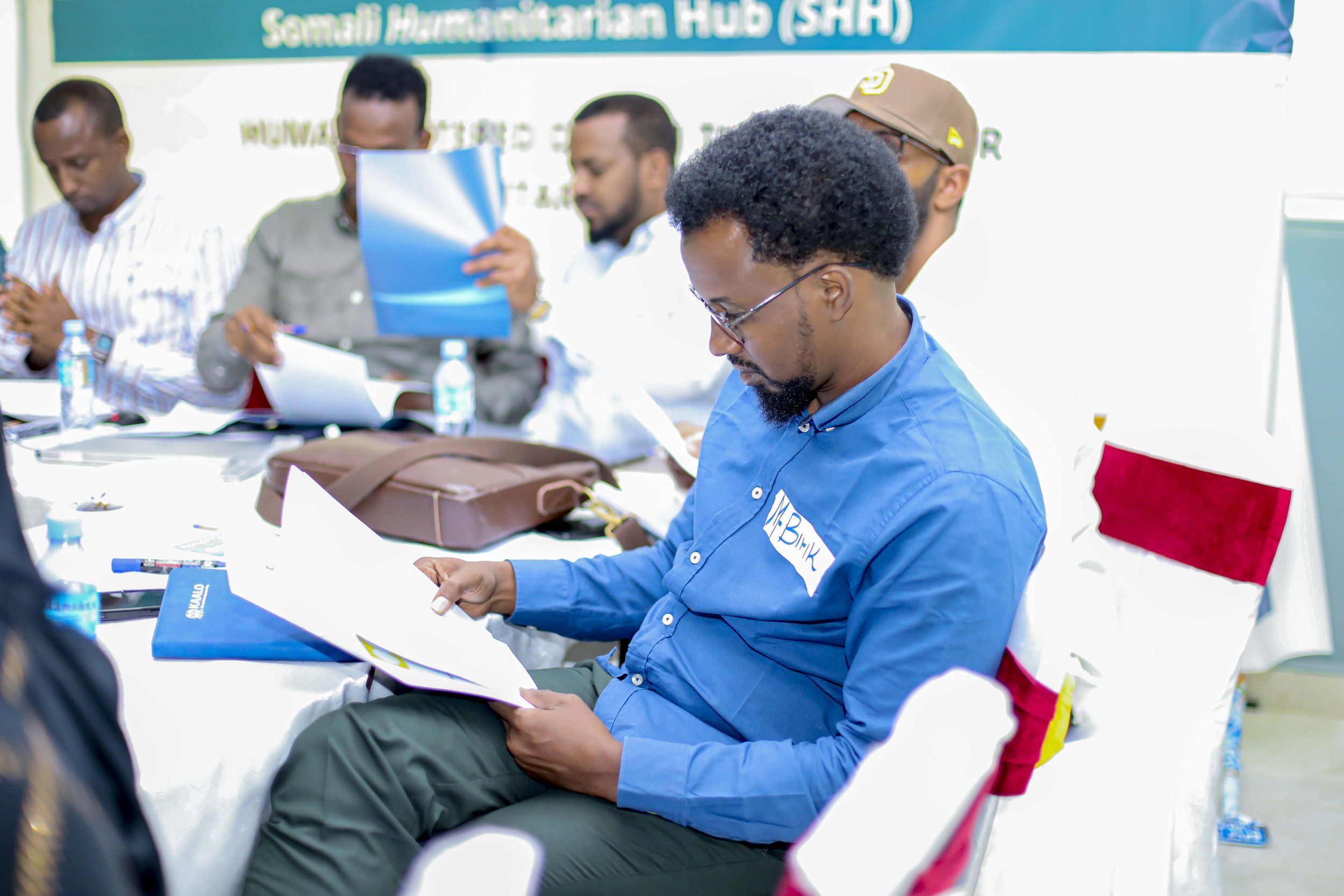
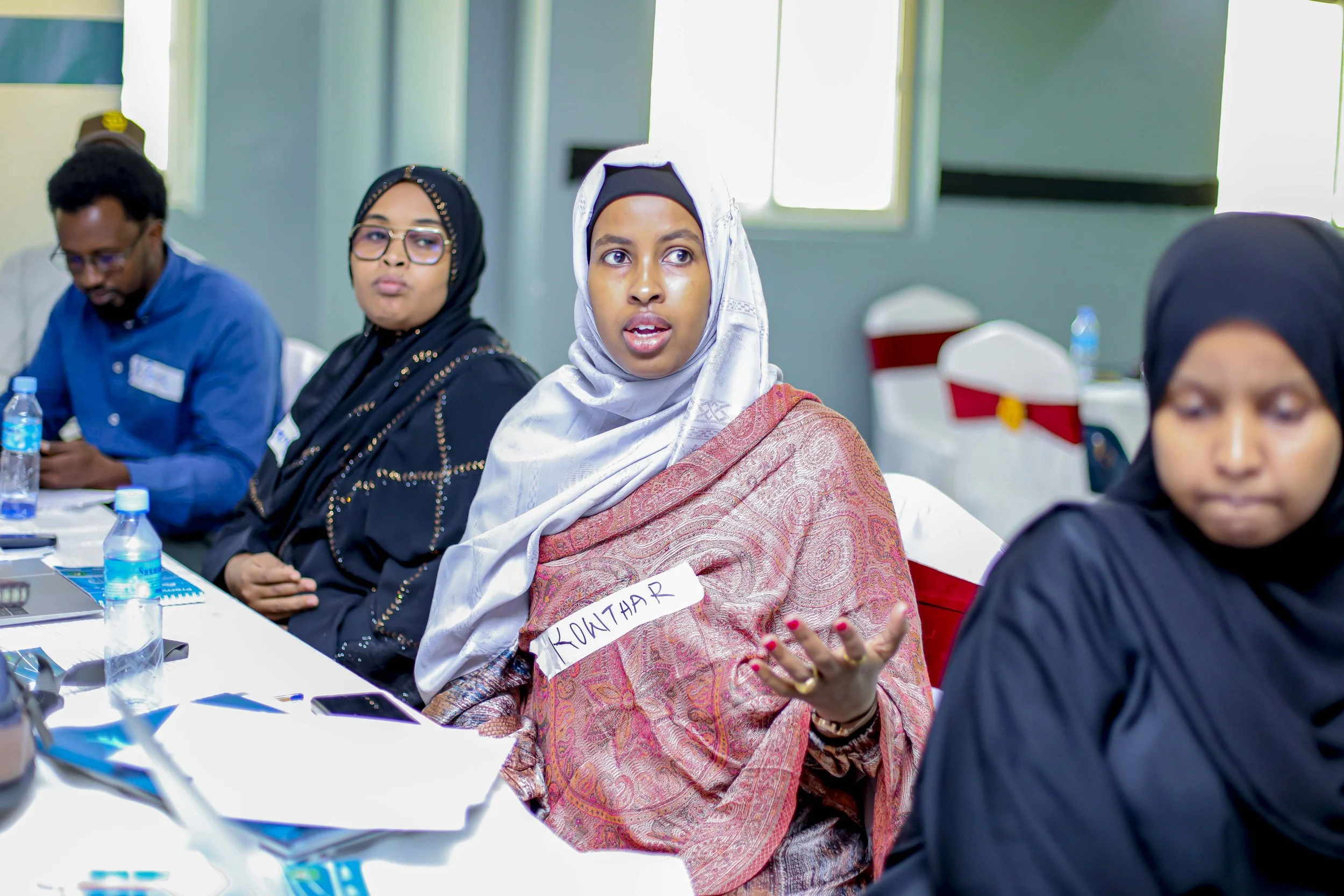
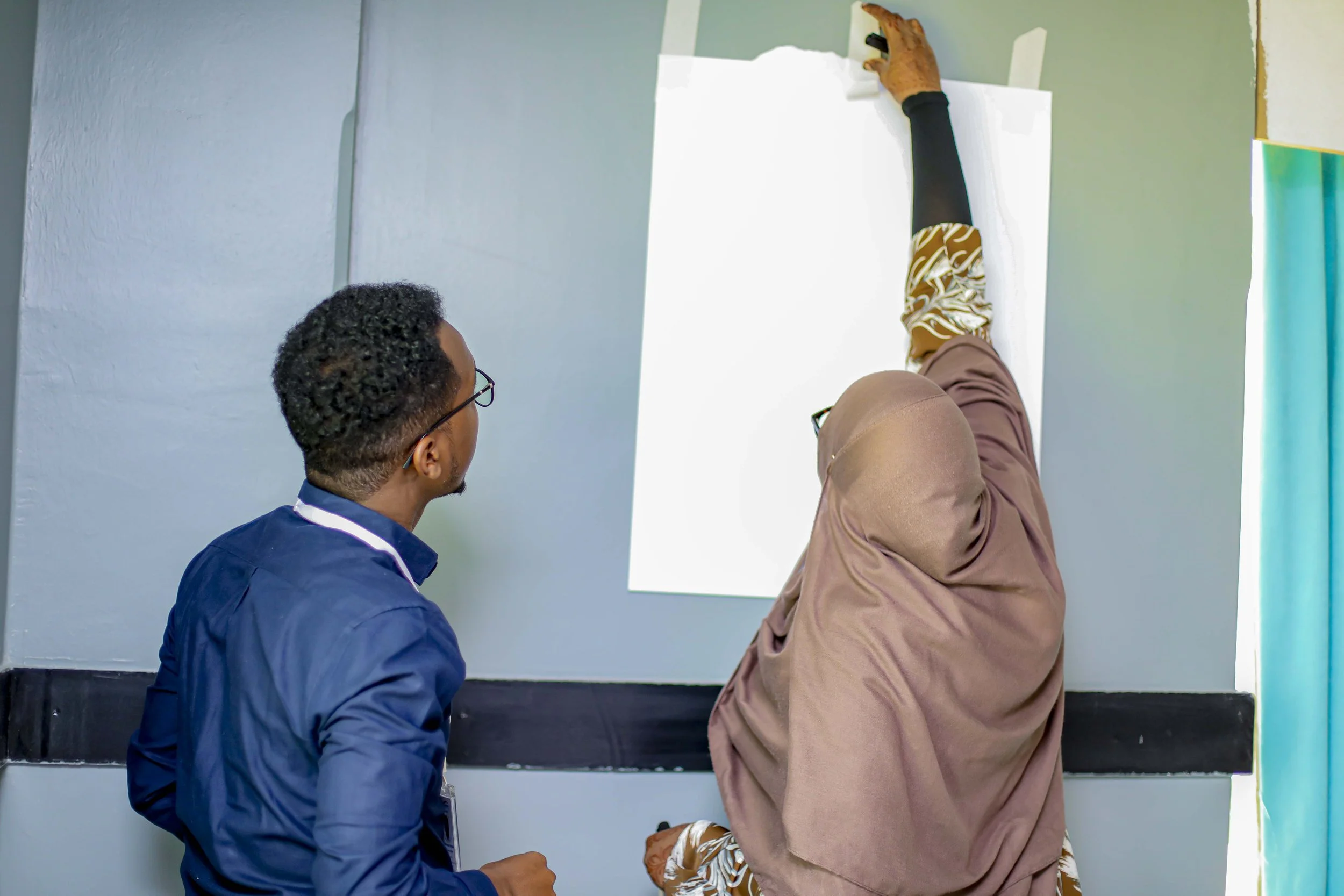
The exercises were hands-on throughout. Participants did not sit through a lecture on community engagement, they practiced it.
Out of the Boardroom and Into the Field
A core part of the training took participants out of the workshop space and into Hargeisa's emerging innovation ecosystem. The cohort visited two homegrown innovation spaces, HarHub and Bilow Capital, where Somali-led solutions are already being built and funded.
The visits were not symbolic. Walking through spaces where young entrepreneurs are building technology, where startups are tackling real community problems, and where local investment is meeting local talent, the D3 Framework stopped being a template on a slide and became a working mindset. Participants asked questions, challenged their own assumptions, and connected what they were seeing to the humanitarian programmes they manage every day.
This is what Human-Centered Design is supposed to look like in practice. Not boardroom theory, but engagement with the communities and ecosystems where ideas actually have to work.
The Results
The four days produced measurable change in how participants understood and could apply the methodology:
94.7% of participants said their expectations were met or exceeded
D3 Framework knowledge rose from 58% to 89% between the pre and post assessments
Content quality was rated 4.7 out of 5.0
The strongest signal, though, was qualitative. By the end of the training, participants were no longer talking about designing programmes for their communities. They were talking about designing with them. That shift is the entire point.
Locally-Led Capacity Building, in Practice
This training is part of a broader effort to build humanitarian innovation capacity inside Somali organizations rather than importing it. Shaqodoon's role was to host and facilitate. The Somali Humanitarian Hub provided the network of CSOs. Start Network brought the international partnership and resources to make the training possible.
The result is a model that puts Somali organizations at the center of designing their own response systems, with international partners supporting rather than directing.
What Comes Next
The 20 participants now return to their organizations carrying a working knowledge of the D3 Framework and a network of peers across nine other CSOs who have trained alongside them. Shaqodoon will continue to support the cohort as they apply the methodology inside their own programmes, and is exploring how to extend the training to additional members of the Somali Humanitarian Hub.
The future of humanitarian response in Somalia is locally led, innovation driven, and community centered. This training was one concrete step in that direction.